Research
My research examines the evolving role of the school librarian in K–12 education, drawing on the perspectives of school librarians and key stakeholders, including teachers, administrators, and students. Grounded in role theory and professional standards, my work investigates how instructional leadership, advocacy, digital equity, and intellectual freedom are conceptualized and enacted within changing educational, technological, and sociopolitical contexts. Using qualitative and mixed-methods approaches, I contribute to LIS scholarship by advancing theory-informed, practice-based understandings of role evolution in school librarianship.
This research agenda is anchored in my dissertation, School Librarians’ Perspectives on Their Role in Post-Pandemic K–12 Education, which documents how school librarians redefined their professional roles during and after emergency remote learning. Findings highlight sustained shifts in instructional practice, technology leadership, communication and advocacy, and equitable access to information, providing a practitioner-centered foundation for my ongoing work.
RESEARCH STRANDS
Role Evolution and Instructional Leadership
About
Examining how school librarians conceptualize and enact instructional leadership across K–12 settings, with attention to professional identity, collaboration, and role negotiation.
- School librarians’ perspectives on role change
- Stakeholder understandings (teachers, administrators, students)
- Implications for LIS education and professional standards
Communication, Advocacy, and Social Media
About
Investigating how school librarians use social media and other digital platforms to support communication, advocacy, and professional visibility.
- School librarians’ perspectives on role change
- Stakeholder understandings (teachers, administrators, students)
- Implications for LIS education and professional standards
Intellectual Freedom, Censorship, and Access
About
This strand focuses on the challenges school librarians face in maintaining inclusive collections and protecting students’ right to read.
- Experiences with censorship and book challenges
- Policy and sociopolitical contexts shaping access
- Practice- and policy-oriented guidance for the field
Core Areas of Focus
- School librarians’ professional identity and role conceptualization
- Instructional leadership and technology integration in K–12 settings
- Digital equity and access to information
- Advocacy, visibility, and communication in school library programs
- Intellectual freedom, censorship, and book challenges
Theory and Methods
- Role theory and professional standards (AASL)
- Qualitative methods (interviews, reflexive thematic analysis)
- Mixed methods (surveys, stakeholder perspectives, document analysis)
- Practice-informed, equity-centered research design
Scholarly Contributions
- Advances theoretical understanding of school librarians’ evolving roles
- Documents post-pandemic shifts in instructional and leadership practices
- Informs LIS curriculum, professional development, and policy discussions
- Centers practitioner voice in educational research
Projects
School Librarians’ Perspectives on Their Role in Post-Pandemic K-12 Education
Manuscript in preparation for submission
This article draws on my dissertation research to examine how school librarians conceptualized and enacted their professional roles during and after emergency remote learning. Findings highlight expanded instructional leadership, increased advocacy demands, and sustained changes in digital practice, positioning school librarians as essential leaders in equitable access and instructional technology.
This qualitative study examines K–12 school librarians’ perspectives on how the COVID-19 pandemic and the rapid shift to emergency remote learning (ERL) reshaped their professional roles in post-pandemic education. Drawing on role theory and the American Association of School Librarians’ (AASL) professional standards, the study explores how school librarians conceptualize and enact their work following prolonged engagement in online and hybrid learning environments. Data were collected through semi-structured interviews with practicing school librarians in Massachusetts.
Read more
Findings indicate that school librarians demonstrated significant adaptability and professional agency during ERL, with many pandemic-era practices becoming embedded in their current roles. Participants described expanded responsibilities in delivering online and asynchronous instruction, curating and providing remote access to digital resources, supporting instructional technology use, and enacting instructional leadership within their schools. The study also highlights an emerging dimension of the information specialist role, as librarians increasingly engaged in digital communication and outreach through social media to support students, families, and school communities. Across these areas, participants emphasized advocacy for digital equity and sustained access to information as central to their post-pandemic professional identity.
This research contributes to scholarship on school librarianship by foregrounding practitioners’ perspectives during a period of systemic disruption and educational change. The findings offer theoretical insights into role evolution under crisis conditions and practical implications for school leaders, policymakers, and library and information science education programs seeking to better understand and support the multifaceted role of the school librarian in contemporary K–12 learning environments.

Stakeholder Perspectives on School Librarians
Mixed-methods study in development
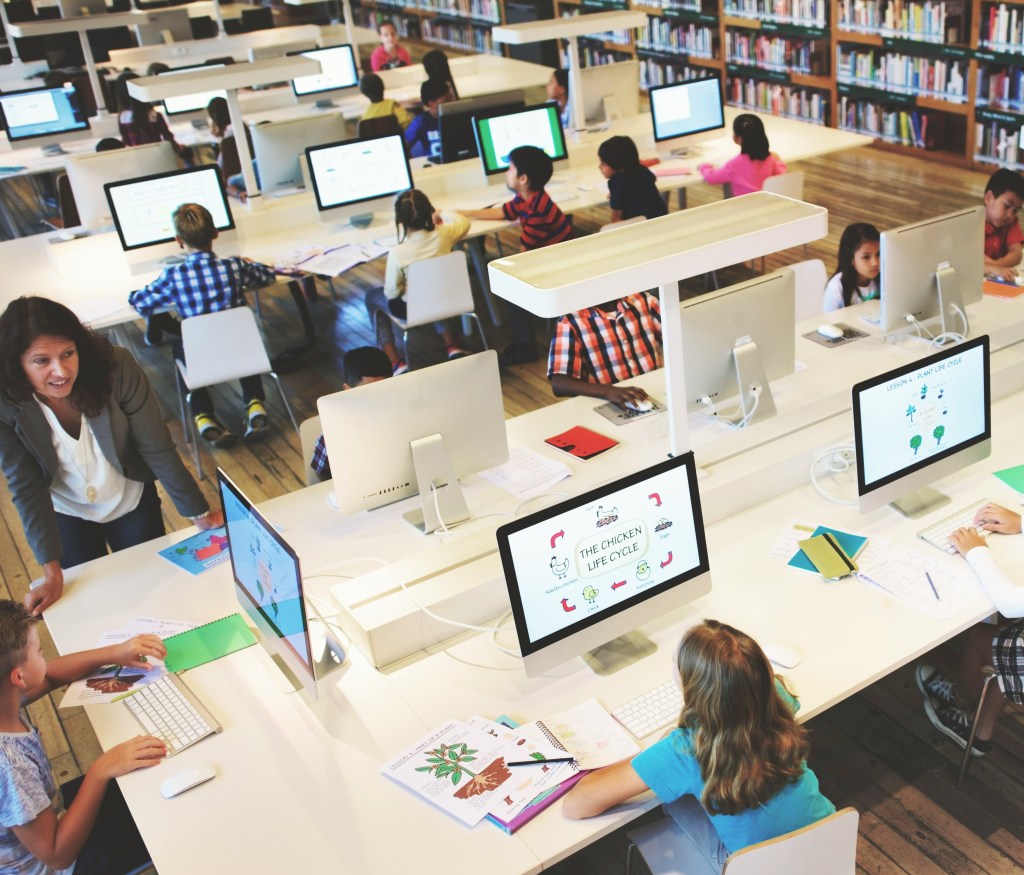
This project examines how administrators, teachers, and students understand the school librarian’s role in technology integration, online learning, and digital equity. By incorporating multiple stakeholder perspectives, the study explores conditions that enable or constrain librarians’ instructional leadership within schools.
School Librarians’ Use of Social Media for Advocacy and Communication
Qualitative and content analysis study in progress
This strand investigates how school librarians use social media platforms to support their programs, communicate with school communities, and shape professional identity. The project also considers ethical and equity implications of digital outreach and identifies strategies applicable to LIS education and professional development.

Censorship, Book Challenges, and Intellectual Freedom in K–12 Schools
Conceptual and empirical work in development
This research examines how school librarians navigate censorship pressures and book challenges while upholding intellectual freedom and inclusive collections. The project situates librarians’ experiences within broader policy and cultural contexts to inform scholarship and professional practice.
 Kimberly R. Lavoie, PhD